While there is no "typical" bacteria look, here are some common features:
Shape:
* Cocci: Round or spherical shaped. Think of tiny balls. Examples: *Streptococcus* (causes strep throat), *Staphylococcus* (causes skin infections).
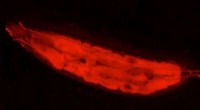
* Bacilli: Rod-shaped. Think of tiny hot dogs. Examples: *E. coli*, *Salmonella*.
* Spirilla: Spiral-shaped. Think of a corkscrew. Examples: *Treponema pallidum* (causes syphilis), *Campylobacter* (causes food poisoning).
* Vibrio: Comma-shaped. Think of a curved rod. Example: *Vibrio cholerae* (causes cholera).
Size:
* Bacteria are typically 0.5-10 micrometers in size. This means they are 1,000 times smaller than the width of a human hair.
Structure:
* Cell wall: A rigid outer layer that gives the bacteria its shape and protects it from its environment.
* Cell membrane: A thin layer that controls what enters and leaves the cell.
* Cytoplasm: The jelly-like substance inside the cell that contains the bacteria's genetic material (DNA).
* Ribosomes: Tiny structures that make proteins.
* Flagella: Long, whip-like structures that help the bacteria move.
* Pili: Short, hair-like structures that help the bacteria attach to surfaces.
Color:
* Bacteria are usually colorless, but they can be stained with special dyes to make them visible under a microscope.
Overall appearance:
* Individual bacteria: Often look like tiny dots, rods, or spirals depending on their shape.
* Colonies of bacteria: Can appear as a fuzzy growth or a slimy film on a culture plate.
Remember, bacteria are incredibly diverse, and there are many variations in their size, shape, and structure.