Here's a breakdown:
Protein Synthesis:
* This is the process by which cells create proteins. It's a fundamental process for life and involves two main steps:
* Transcription: DNA is used as a template to create a messenger RNA (mRNA) molecule.
* Translation: The mRNA molecule travels to a ribosome, where it's read and used to assemble amino acids into a protein chain.
Types of Proteins:
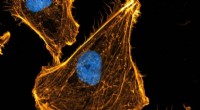
* Structural Proteins: Provide shape and support to cells and tissues (e.g., collagen, keratin).
* Enzymes: Catalyze biochemical reactions in the body (e.g., lactase, pepsin).
* Hormones: Act as chemical messengers, regulating various bodily functions (e.g., insulin, growth hormone).
* Antibodies: Part of the immune system, protecting against pathogens (e.g., immunoglobulins).
* Transport Proteins: Carry molecules across cell membranes (e.g., hemoglobin).
* Contractile Proteins: Responsible for muscle movement (e.g., actin, myosin).
* Storage Proteins: Store nutrients (e.g., casein in milk, albumin in eggs).
* Regulatory Proteins: Control gene expression and cellular processes (e.g., transcription factors).
* Receptor Proteins: Bind to signaling molecules and initiate cellular responses (e.g., insulin receptor).
Important Note:
While all proteins are made through synthesis, the specific type of protein produced depends on the genetic code carried by the DNA molecule. This code determines the order of amino acids in the protein chain, and the sequence of amino acids determines the protein's structure and function.