Here's a breakdown:
* Structure: Cell membranes are made of a phospholipid bilayer, meaning two layers of phospholipid molecules. These molecules have a "head" that loves water (hydrophilic) and a "tail" that hates water (hydrophobic). This structure forms a barrier between the watery environment inside the cell (cytoplasm) and the watery environment outside the cell.
* Selectively Permeable: The cell membrane is not just a barrier, it's a selectively permeable membrane. This means it allows some substances to pass through while blocking others. This selectivity is crucial for the cell to maintain its internal environment and carry out its functions.
Here's how things move across the cell membrane:
* Passive Transport: This type of transport doesn't require energy. Substances move from areas of high concentration to low concentration.
* Diffusion: The movement of molecules from an area of high concentration to an area of low concentration.
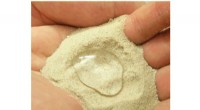
* Osmosis: The movement of water molecules across a selectively permeable membrane from an area of high water concentration to an area of low water concentration.
* Facilitated Diffusion: The movement of molecules across a membrane with the help of membrane proteins.
* Active Transport: This type of transport requires energy. Substances move from areas of low concentration to high concentration, going against the concentration gradient. This requires the cell to expend energy, typically in the form of ATP.
Examples of substances that pass through cell membranes:
* Water: Passes through via osmosis.
* Oxygen: Passes through by diffusion.
* Carbon Dioxide: Passes through by diffusion.
* Nutrients: Some nutrients pass through by diffusion, while others require facilitated diffusion or active transport.
* Waste products: Some waste products are transported out of the cell via diffusion, while others require active transport.
In summary, cell membranes are essential for life because they control what enters and exits the cell, allowing cells to maintain a stable internal environment and carry out their various functions.