Organisms that don't need a host organism to live:
* Viruses: While viruses are often considered "non-living" because they can't reproduce on their own, they can exist outside of a host cell. They don't have the necessary machinery for reproduction and rely on hijacking a host cell's mechanisms to replicate. So, they can technically exist without a host, but not multiply.
* Prions: These are misfolded proteins that can cause disease. They are not considered living organisms and don't have their own genetic material. However, they can replicate by inducing misfolding in other proteins, and therefore can exist and multiply without a host in the sense that they don't need a living organism to reproduce.
Organisms that don't need a host to multiply:
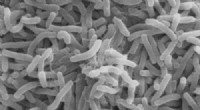
* Bacteria (some): Some bacteria are free-living and can multiply on their own, obtaining nutrients from their environment. This is true for many bacteria found in soil, water, and other environments.
* Archaea (some): Similar to bacteria, some archaea are free-living and can multiply independently.
* Protists: This is a diverse group that includes organisms like amoebas and algae. Many protists can live and reproduce without a host.
* Fungi (some): While some fungi are parasitic, many are saprophytic, meaning they get their nutrients from decaying organic matter. They can multiply independently.
* Plants: Plants are autotrophs, meaning they can produce their own food through photosynthesis. They don't need a host to live and multiply.
Important Note: While these organisms can exist and multiply without a host, their survival often depends on a specific environment with the right conditions. For example, bacteria might need specific nutrients or temperature ranges to thrive.
So, the answer to your question depends on the specific definition of "living" and "multiplying". But in general, many organisms can live and multiply independently of a host organism.