Here's why:
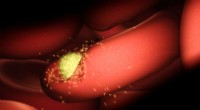
* Phagocytosis is a process where a cell engulfs a solid particle, such as a bacterium or a piece of debris.
* The cell membrane surrounds the particle and forms a vesicle called a phagosome.
* The phagosome then fuses with a lysosome, which contains enzymes that break down the engulfed material.
Examples of phagocytic cells include:
* Macrophages: Found in tissues throughout the body and are important for immune defense.
* Neutrophils: A type of white blood cell that is responsible for killing bacteria.
* Dendritic cells: Found in tissues that are in contact with the external environment, and they play a role in activating the immune system.
While other cells might transport smaller molecules through active transport or endocytosis, phagocytosis is specifically designed to handle larger particles that cannot cross the membrane directly.