Here's why:
* Cell Membrane: This is a thin, flexible layer that surrounds all cells, both plant and animal. It's primarily composed of phospholipids and proteins.
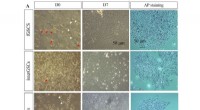
* Cell Wall: This is a rigid, tough outer layer that surrounds the cell membrane of plant cells, fungi, and some bacteria. It's made primarily of cellulose, a complex carbohydrate.
The cell wall's key functions for plants include:
* Structural support: Provides shape and rigidity to the plant cell, allowing it to withstand internal pressure and maintain its form.
* Protection: Acts as a barrier against external threats like pathogens and physical damage.
* Regulation of cell growth: Helps control the expansion of the cell.
While animal cells have a cell membrane, they lack a cell wall. This is one of the major differences between plant and animal cells.