Here's a breakdown:
* Purposeful: This implies a conscious effort by humans.
* Organisms: These can be plants, animals, or even microorganisms.
* Desired Traits: These are specific characteristics that are beneficial or desirable for a particular purpose, such as increased yield in crops, disease resistance in livestock, or specific physical traits in pets.
How Selective Breeding Works:
1. Identification: Humans identify individuals within a population that possess the desired traits.
2. Selection: These individuals are chosen to breed with each other.
3. Reproduction: The offspring inherit the desired traits from their parents.
4. Repeat: This process is repeated over generations, gradually increasing the frequency of the desired traits in the population.
Examples of Selective Breeding:
* Dogs: Over centuries, humans have selectively bred dogs for specific traits like size, temperament, and hunting abilities, leading to the diverse breeds we see today.
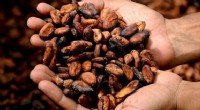
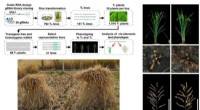
* Crops: Farmers have bred crops to produce larger fruits, withstand harsh climates, or resist pests and diseases.
* Livestock: Farmers have selected animals that produce more milk, meat, or eggs.
Key Points:
* Controlled Process: Selective breeding is a controlled process where humans decide which individuals will reproduce.
* Genetic Variation: The success of selective breeding relies on the existence of genetic variation within the population.
* Ethical Considerations: Ethical concerns exist around selective breeding, including potential health problems associated with inbreeding and the welfare of animals.
Let me know if you have any other questions about selective breeding!