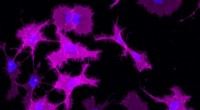
Satellite DNA is a fascinating component of our genomes, often described as highly repetitive sequences of non-coding DNA.
Here's a breakdown of what it is and why it's important:
What it is:
* Repetitive sequences: Satellite DNA consists of short, repeating sequences of nucleotides (A, T, C, and G). These sequences are often tandem repeats, meaning they occur one after the other, like a string of beads.
* Non-coding: These repeats typically don't code for proteins, meaning they don't directly contribute to the production of essential biological molecules.
* Density difference: This repetitive nature gives satellite DNA a different density compared to the rest of the genome. This allows it to be separated from other DNA fragments by density gradient centrifugation, hence the name "satellite" DNA.
Why it's important:
* Chromosomal structure: Satellite DNA plays a crucial role in maintaining chromosome structure and stability. It is found in centromeres, the constricted regions that hold sister chromatids together during cell division. This region is essential for proper chromosome segregation.
* Evolutionary studies: Studying satellite DNA can provide insights into evolutionary relationships between species. These sequences evolve rapidly, creating differences that can be used to trace lineages and understand evolutionary history.
* Disease association: Changes in satellite DNA have been linked to certain diseases, including cancer and developmental disorders.
* Other functions: Satellite DNA is also involved in regulating gene expression, contributing to DNA replication, and potentially influencing other cellular processes.
Key points to remember:
* Satellite DNA is abundant in many organisms, but its function is still being studied.
* While it is non-coding, it plays essential roles in genome organization and evolution.
* Understanding satellite DNA is crucial for comprehending the complexity of our genomes and their role in health and disease.
In conclusion: Satellite DNA is a fascinating and complex element of our genomes, playing a critical role in chromosome structure, evolution, and potentially other cellular functions. Further research is needed to uncover all of its secrets and understand its significance for human health.