Drivers of Migration:
* Food availability: The most common driver of migration is the search for food resources. Animals might migrate to areas with abundant food sources during certain seasons, ensuring their survival and reproduction.
* Breeding grounds: Many species migrate to specific locations that provide ideal conditions for breeding, such as nesting sites, optimal temperatures, and abundant prey for offspring.
* Favorable climate: Organisms migrate to avoid harsh weather conditions, seeking areas with suitable temperature, humidity, and precipitation for their survival.
* Predator avoidance: Migrating can help animals escape predators by moving to areas where predators are less abundant.
* Competition: Some species migrate to reduce competition for resources, spreading out to access more food, breeding sites, or other necessities.
Constraints on Migration:
* Physical barriers: Mountains, rivers, oceans, and deserts can act as physical barriers that limit or prevent migration.
* Environmental changes: Climate change, habitat loss, and pollution can disrupt migration patterns, making it difficult for organisms to reach their destinations or find suitable conditions.
* Human activities: Infrastructure development, urbanization, and land use changes can alter migration routes and disrupt natural habitats, making it harder for animals to migrate.
* Physiological limitations: Some species have physiological limitations that restrict their migration distances or capabilities, such as limited flight range or physical endurance.
* Competition with other species: Migration can lead to competition for resources with other species that have also migrated to the same area.
Examples:
* Monarch butterflies: Migrate thousands of miles from North America to Mexico for wintering grounds, following specific routes and using landmarks and the sun's position for navigation.
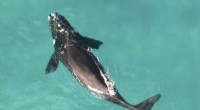
* Whales: Migrate long distances between feeding and breeding grounds, following specific ocean currents and responding to changes in water temperature.
* Birds: Migrate seasonally to escape harsh winters and find better breeding opportunities, with different species having different migration patterns and distances.
* Salmon: Migrate from the ocean to freshwater rivers to spawn, navigating upstream against currents and relying on instinctual cues to find their natal streams.
Overall, the environment is a key factor in the success of migration, influencing both the reasons why organisms migrate and the challenges they face during their journeys. Understanding these relationships is crucial for conservation efforts, especially in the face of climate change and human-induced environmental alterations.