Here's why:
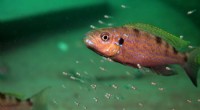
* Apnatic organisms: These are organisms that cannot tolerate oxygen-depleted environments. They rely on dissolved oxygen for survival.
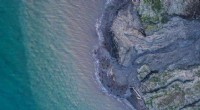
* Eutrophication: This is the excessive enrichment of a body of water with nutrients, primarily nitrogen and phosphorus. These nutrients stimulate the growth of algae and other aquatic plants, leading to:
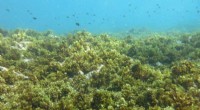
* Algal blooms: These blooms block sunlight from reaching submerged plants, killing them off.
* Decomposition: When the algae die, they are decomposed by bacteria, which consume large amounts of dissolved oxygen.
* Hypoxia: The depletion of oxygen creates a low-oxygen environment called hypoxia.
* Dead zones: In severe cases, hypoxia can lead to the creation of dead zones, where aquatic life cannot survive.
Therefore, eutrophication creates an environment that is highly unfavorable for apnatic organisms, leading to their decline or even death.
Here are some other alterations that can negatively impact apnatic organisms:
* Pollution: Pollution from industrial waste, sewage, and agricultural runoff can introduce toxins and chemicals that directly harm apnatic organisms or disrupt their ecosystems.
* Habitat loss and fragmentation: Destruction of wetlands, coastal habitats, and other aquatic ecosystems reduces the available space for apnatic organisms to live and reproduce.
* Climate change: Rising temperatures and changes in precipitation patterns can impact water quality and oxygen levels, making it harder for apnatic organisms to survive.
Understanding the factors that contribute to the decline of apnatic organisms is crucial for protecting aquatic ecosystems and preserving biodiversity.