General Structure:
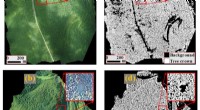
* Thallus: Bryophytes typically have a flattened, leafy structure called a thallus. This structure lacks true roots, stems, and leaves, although it may have similar-looking parts.
* Rhizoids: These are thin, hair-like structures that anchor the plant to the substrate and help absorb water and nutrients.
* Phyllids: These are small, leaf-like structures that are responsible for photosynthesis.
* Caulids: These are stem-like structures that support the phyllids.
Internal Structure:
* Simple Structure: Nonvascular plants have a relatively simple internal structure. They lack specialized tissues for conducting water and nutrients, so these substances are transported through diffusion and osmosis.
* Limited Height: The absence of a vascular system restricts their height, as they rely on diffusion and osmosis to transport water and nutrients.
* Presence of Gametophyte: Bryophytes are characterized by a dominant gametophyte generation, meaning the haploid phase (which produces gametes) is the most prominent part of their life cycle.
Specific Structures in Different Bryophyte Groups:
* Liverworts: These have a flattened, lobed thallus with rhizoids on the underside. They may have specialized structures for reproduction, such as gemmae cups (tiny cups that produce propagules).
* Mosses: Mosses have upright, leafy stems with rhizoids at the base. They have specialized structures for reproduction, such as capsules (which contain spores) and sporophytes (the diploid generation).
* Hornworts: These have a flattened, ribbon-like thallus with sporophytes that look like long, slender horns.
Key Points to Remember:
* Lack of Vascular System: Nonvascular plants do not have xylem and phloem, which restricts their size and limits their ability to transport water and nutrients.
* Dominant Gametophyte: The gametophyte (haploid) generation is the dominant stage in the life cycle of bryophytes.
* Adapted to Damp Environments: Nonvascular plants thrive in moist environments because they rely on diffusion and osmosis to obtain water.
By understanding the unique structural features of nonvascular plants, you can appreciate their adaptations to specific environments and their crucial role in ecosystems.