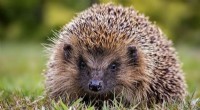
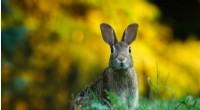
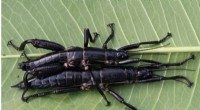
* Animalia: Animals are multicellular, eukaryotic organisms that are heterotrophic, meaning they obtain nutrients by consuming other organisms.
* Fungi: Fungi are multicellular, eukaryotic organisms that are heterotrophic and obtain nutrients by absorbing organic matter from their environment.
Note: While some protists are multicellular, they are not primarily classified as heterotrophic. They are typically classified based on their mode of nutrition (e.g., plant-like protists, animal-like protists).
Here's a breakdown of why the other kingdoms are not included:
* Plantae: Plants are multicellular, eukaryotic organisms that are autotrophic, meaning they produce their own food through photosynthesis.
* Protista: Protists are a diverse group of mostly single-celled eukaryotic organisms, although some are multicellular. They include both autotrophic and heterotrophic organisms.
* Monera: This kingdom, which includes bacteria and archaea, consists of single-celled organisms.
Let me know if you have any other questions!