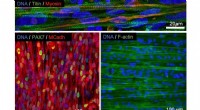
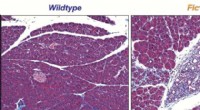
1. Organization: Living things are highly organized, with structures at multiple levels, from atoms and molecules to cells, tissues, organs, organ systems, and the organism itself.
2. Metabolism: Living things carry out chemical reactions to obtain and use energy, maintain their structure, and support growth. This includes processes like photosynthesis, respiration, and digestion.
3. Homeostasis: Living organisms maintain a stable internal environment, despite fluctuations in the external environment. This includes regulating temperature, pH, water content, and other important factors.
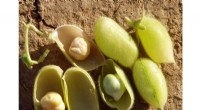
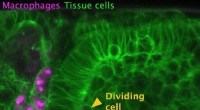
4. Growth and Development: Living things grow and develop over time, increasing in size and complexity. This involves cell division and differentiation, leading to the formation of tissues and organs.
5. Reproduction: Living things reproduce to create new organisms of their own kind. This can be sexual (involving two parents) or asexual (involving only one parent).
6. Response to stimuli: Living things react to changes in their environment. This includes responses to light, temperature, chemicals, and touch.
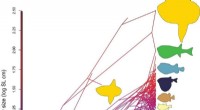
7. Adaptation: Living things evolve over time to become better suited to their environment. This involves changes in their genetic makeup, leading to variations in traits and characteristics.
8. Heredity: Living things pass on their genetic information to their offspring, ensuring the continuity of life.
These characteristics, taken together, define life and differentiate living organisms from inanimate matter.