1. Oxygen (O): The most abundant element in the human body, making up about 65% of our mass. It's essential for respiration, the process of converting food into energy.
2. Carbon (C): The backbone of all organic molecules, including carbohydrates, lipids, proteins, and nucleic acids. It forms the framework of our cells and tissues.
3. Hydrogen (H): The most abundant element in the universe, hydrogen is a key component of water, the most important molecule in our bodies. It also plays a role in energy production.
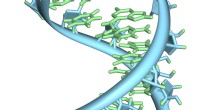
4. Nitrogen (N): A vital component of proteins, nucleic acids (DNA and RNA), and many other essential molecules. It's crucial for cell growth and repair.
While there are many other elements present in organisms in smaller quantities, these four are the most abundant and essential for life as we know it.