1. Fossil Record: Fossils document the gradual change of life forms over millions of years, showcasing the emergence of new species and the extinction of others, consistent with evolutionary patterns.
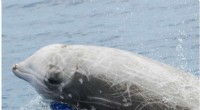
2. Comparative Anatomy: Similarities in the bone structures of different species, like the forelimbs of humans, bats, and whales, point towards common ancestry and modifications over time.
3. Molecular Biology: The genetic code is remarkably similar across diverse life forms, suggesting shared ancestry and evolutionary relationships.
4. Biogeography: The distribution of species on Earth, including the unique flora and fauna of isolated islands, supports the idea that species evolved in specific locations and spread outwards.
5. Direct Observation: Evolutionary processes can be observed in real-time, such as the rapid evolution of antibiotic resistance in bacteria or the adaptation of insects to pesticides.
6. Artificial Selection: The selective breeding practices by humans to modify domesticated animals and plants demonstrates the power of selection to drive evolutionary change.
7. Vestigial Structures: Non-functional or reduced structures in organisms, like the appendix in humans, indicate their evolutionary history and the loss of function through time.
8. Embryological Development: Similarities in the embryonic development of various species, such as the gill slits in mammals, suggest shared ancestry and evolutionary relationships.
While there are a few points of debate within the scientific community regarding the specifics of evolutionary processes, the core principles of evolution by natural selection are fundamentally sound and supported by a vast body of evidence.
It is crucial to differentiate between scientific theory and everyday use of the word theory. In science, a theory is a well-substantiated explanation of some aspect of the natural world, supported by a large body of evidence. The theory of evolution is not a guess or a hypothesis; it is a robust framework for understanding the history of life on Earth.