1. Structural Support and Movement:
* Collagen and Elastin: Form connective tissues like tendons, ligaments, skin, and cartilage, providing strength, flexibility, and elasticity.
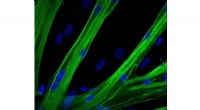
* Muscle Proteins: Actin and myosin enable muscle contraction, allowing for movement and locomotion.
* Cytoskeletal Proteins: Provide internal structure and support to cells, maintaining their shape and facilitating transport within the cell.
2. Catalyzing Biochemical Reactions (Enzymes):
* Enzymes: Act as biological catalysts, speeding up chemical reactions in the body. They are highly specific and essential for virtually every metabolic process, including digestion, energy production, DNA replication, and cell signaling.
3. Transport and Storage:
* Hemoglobin: Transports oxygen from the lungs to the rest of the body.
* Lipoproteins: Transport lipids (fats) through the bloodstream.
* Transferrin: Carries iron in the blood.
* Albumin: Carries hormones and other substances in the blood.
* Casein: Stores protein in milk.
4. Regulation and Signaling:
* Hormones: Act as chemical messengers, regulating various bodily functions like growth, metabolism, and reproduction. Examples include insulin, growth hormone, and testosterone.
* Receptors: Located on cell surfaces or within cells, they bind to signaling molecules (like hormones) and initiate specific cellular responses.
* Antibodies: Part of the immune system, they identify and neutralize pathogens like bacteria and viruses.
5. Nutrient and Fluid Balance:
* Albumin: Contributes to maintaining fluid balance within the blood vessels.
* Protein Intake: Provides essential amino acids that the body cannot synthesize itself.
6. Other Functions:
* Blood Clotting: Proteins like fibrinogen and thrombin are essential for forming blood clots to stop bleeding.
* Protection and Repair: Antibodies, complement proteins, and other immune system proteins protect the body from disease.
* Cellular Processes: Proteins are involved in a vast array of cellular processes, including DNA replication, gene expression, and cell division.
In summary, proteins are the workhorses of our bodies, performing countless essential functions that are vital for our health and survival.