Here's a breakdown:
The Genetic Code:
* The genetic code is the set of rules by which information encoded in genetic material (DNA or RNA) is translated into proteins.
* It's a system of codons (sequences of three nucleotides) that specify which amino acid should be added to a growing protein chain.
Universality (With Exceptions):
* The vast majority of organisms use the same 64 codons to specify the 20 amino acids.
* Exceptions: There are a few minor variations in the genetic code found in some mitochondria, bacteria, and certain protists. These variations are usually only one or two codons that are translated differently.
Significance of the Universal Genetic Code:
* Common Ancestry: The near-universality of the genetic code is strong evidence for a common ancestor for all life on Earth. It's unlikely that such a complex system would have evolved independently multiple times.
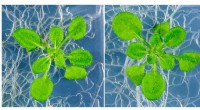
* Genetic Engineering: The universality of the code allows us to transfer genes between different organisms, making genetic engineering possible.
Conclusion:
While there are a few minor variations, the genetic code is essentially universal across all life on Earth. This remarkable fact highlights the interconnectedness of all living things and is a fundamental principle in biology.