The presence of DNA in chromatin and chromosomes is understood through a different field of study: molecular biology. Here's a brief explanation:
* DNA is the genetic material: It carries the instructions for building and maintaining an organism.
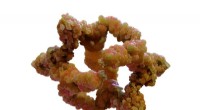
* Chromatin is the complex of DNA and proteins: This structure allows the long DNA molecule to be packaged within the nucleus of a cell.
* Chromosomes are condensed forms of chromatin: They are formed during cell division, allowing the DNA to be evenly distributed to daughter cells.
Key concepts in understanding this:
* Histones: These are proteins that DNA wraps around to form a compact structure called a nucleosome, the basic unit of chromatin.
* Eukaryotic cells: They have a nucleus containing their DNA, unlike prokaryotes which have their DNA free-floating within the cell.
* Cell division: During mitosis and meiosis, chromatin condenses into chromosomes to ensure accurate distribution of genetic material to new cells.
While Margulis' work focuses on the evolutionary origin of eukaryotic cells, understanding the structure and function of chromatin and chromosomes falls under the realm of molecular biology and genetics.