Here's a breakdown:
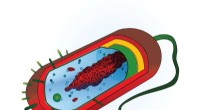
* Competence: This refers to a state where cells are able to take up exogenous DNA from their surroundings. It's a temporary state, often induced by specific techniques in a laboratory setting.
* Transformation: This is the process by which a cell's genetic makeup is permanently altered by the introduction of foreign DNA.
How it Works:
1. Induction of Competence: Cells are treated with specific chemicals or exposed to specific conditions to make them competent. This often involves altering the cell membrane to become permeable to DNA.
2. Introduction of Foreign DNA: Once competent, cells are exposed to the DNA you wish to introduce (plasmid, viral DNA, etc.).
3. DNA Uptake: Competent cells take up the foreign DNA through their altered cell membranes.
4. Integration (Optional): In some cases, the foreign DNA integrates into the cell's genome. If it doesn't integrate, it can still function as a separate unit (like a plasmid).
Importance of Transformation:
Transformation is a crucial technique in molecular biology and biotechnology:
* Genetic Engineering: It allows researchers to introduce specific genes into cells for studying gene function, developing new drugs, or creating genetically modified organisms.
* Gene Therapy: It's used to deliver therapeutic genes to correct genetic defects.
* Research: Transformation is essential for studying gene expression, protein function, and cellular processes.
Note: The efficiency of transformation varies depending on the cell type, the DNA used, and the transformation method.