1. Selective Barrier: The cell membrane acts as a selective barrier, controlling the movement of substances into and out of the cell. It's made up of a phospholipid bilayer, which is selectively permeable, meaning it allows certain substances to pass through while blocking others. This selectivity is crucial for maintaining the cell's internal environment and ensuring proper functioning.
2. Transport: The membrane facilitates the transport of various molecules across it, including nutrients, waste products, and signaling molecules. This transport occurs through various mechanisms, including:
* Passive transport: Movement of substances across the membrane without requiring energy, such as diffusion, osmosis, and facilitated diffusion.
* Active transport: Movement of substances against their concentration gradient, requiring energy expenditure by the cell, often using protein pumps.
3. Cellular Communication: The cell membrane plays a key role in cell communication, enabling cells to interact with their environment and with other cells. This communication occurs through various mechanisms, including:
* Receptors: Specific proteins embedded in the membrane that bind to signaling molecules, triggering intracellular responses.
* Cell junctions: Specialized structures that connect adjacent cells, facilitating communication and allowing the coordinated function of tissues and organs.
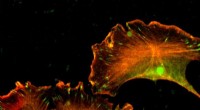
4. Maintaining Cell Shape and Structure: The cell membrane provides structural support, helping to maintain the cell's shape and integrity. This structural role is further reinforced by the cytoskeleton, a network of protein fibers that interacts with the membrane.
5. Protection: The cell membrane serves as a protective barrier, shielding the cell's internal components from the external environment. This protection helps to maintain the cell's internal environment and prevent damage from harmful substances.
6. Enzymes and Catalysts: The cell membrane contains various enzymes and catalytic proteins that facilitate important biochemical reactions within the cell.
7. Cell Recognition: The cell membrane contains molecules that act as "identification tags," allowing cells to recognize and interact with each other. This recognition is crucial for processes like immune responses and tissue formation.
In summary, the cell membrane is a dynamic and complex structure that plays a vital role in maintaining cellular function, enabling communication, and ensuring the survival of the cell.