1. Adaptation is the result of evolution:
* Natural selection: The core of evolution is natural selection. Organisms with traits better suited to their environment are more likely to survive, reproduce, and pass those advantageous traits to their offspring. This continuous process leads to gradual changes in populations over generations, resulting in adaptation.
* Mutations: These are random changes in an organism's DNA. While most are neutral or harmful, some can be beneficial. These beneficial mutations are the raw material for evolution and adaptation.
2. Understanding the history of a species:
* Evolutionary history: Knowing the evolutionary history of a species helps us understand the origins of its current traits and adaptations. For example, the long necks of giraffes are an adaptation for reaching high foliage, but this adaptation evolved gradually over many generations.
* Comparative anatomy: Comparing the anatomy of different species can reveal common ancestry and adaptations. The similarities between the wings of birds and the arms of humans suggest a shared ancestor and how natural selection has modified limbs for different functions.
3. Predicting future adaptations:
* Environmental change: An evolutionary perspective allows us to predict how species might adapt to changing environments. If a new predator appears, we can hypothesize what traits might become more prevalent in the prey population to help them avoid predation.
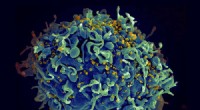
* Understanding disease dynamics: Evolutionary principles are essential for understanding the emergence and spread of infectious diseases. We can track how pathogens evolve to become more resistant to antibiotics or how viruses adapt to their human hosts.
In summary:
An evolutionary perspective helps us:
* Understand how organisms come to be adapted to their environment.
* Interpret the traits of species in the context of their evolutionary history.
* Predict how species might adapt to future environmental changes.
Without an evolutionary lens, we wouldn't be able to grasp the complex processes that shape life on Earth, from the intricate adaptations of insects to the rise of human intelligence.