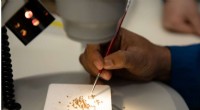
In 1665, Hooke used a crude compound microscope to examine a thin slice of cork. He observed small, box-like compartments that he called "cells" because they reminded him of the cells of a monastery. While these were actually dead cell walls, Hooke's observation was a groundbreaking discovery that led to the development of cell theory.