Structural Support and Protection:
* Cellulose: The most abundant organic molecule on Earth, cellulose forms the rigid cell walls of plants, providing structural support and protection.
* Chitin: Found in the exoskeletons of arthropods (insects, crustaceans, etc.) and the cell walls of fungi, chitin provides structural support and protection.
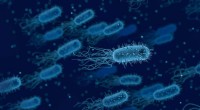
* Peptidoglycan: Found in the cell walls of bacteria, peptidoglycan maintains the shape of the cell and protects it from bursting due to osmotic pressure.
Energy Storage:
* Starch: Plants store energy in the form of starch, a branched polysaccharide of glucose.
* Glycogen: Animals store energy in the form of glycogen, a highly branched polysaccharide of glucose, mainly in the liver and muscles.
Other Functions:
* Cell Recognition and Signaling: Carbohydrates attached to proteins and lipids (glycoproteins and glycolipids) on the cell surface act as recognition sites for other cells, signaling molecules, and immune cells.
* Lubrication: Hyaluronic acid, a polysaccharide found in connective tissues, acts as a lubricant in joints.
* Water Retention: Polysaccharides like pectin in plants and hyaluronic acid in animals help retain water, contributing to tissue hydration.
Examples of Specific Polysaccharides and their Roles:
* Starch: Energy storage in plants (e.g., potatoes, rice, wheat)
* Glycogen: Energy storage in animals (e.g., liver, muscle)
* Cellulose: Structural support in plants (e.g., wood, cotton)
* Chitin: Structural support in arthropods (e.g., insect exoskeletons) and fungi (e.g., mushroom cell walls)
* Peptidoglycan: Structural support and protection in bacteria (e.g., E. coli)
* Hyaluronic acid: Lubrication in joints, water retention in connective tissues
In summary, polysaccharides are essential components of living organisms, playing vital roles in structural support, energy storage, cell recognition, lubrication, and water retention. Their diverse structures and functions are crucial for the survival and well-being of all living things.