1. Energy Storage:
* Starch (Plants): The primary energy storage form in plants. It is a readily available source of glucose, which is used for cellular respiration.
* Glycogen (Animals): The main energy storage polysaccharide in animals, primarily found in the liver and muscles. It provides a quick source of energy for bursts of activity.
2. Structural Support and Protection:
* Cellulose (Plants): The most abundant organic compound on Earth, it forms the cell walls of plants, providing structural support and rigidity.
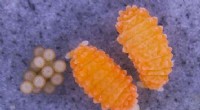
* Chitin (Animals, Fungi): A strong, flexible polymer that forms the exoskeletons of insects and crustaceans, as well as the cell walls of fungi.
* Peptidoglycan (Bacteria): Found in bacterial cell walls, it provides structural integrity and protects the cell from osmotic pressure.
3. Lubrication and Protection:
* Hyaluronic Acid (Animals): A major component of connective tissues and synovial fluid, it acts as a lubricant and shock absorber in joints.
* Glycosaminoglycans (Animals): A diverse group of polysaccharides found in connective tissues, playing roles in cell adhesion, water retention, and tissue repair.
4. Recognition and Cell Communication:
* Glycoproteins: Proteins with attached polysaccharide chains. These play crucial roles in cell-cell recognition, immune responses, and hormone function.
* Glycolipids: Lipids with attached polysaccharide chains. They are important in cell-cell interactions, tissue development, and signal transduction.
5. Other Roles:
* Blood Clotting: Heparin, a polysaccharide, acts as an anticoagulant, preventing blood clots.
* Bacterial Capsules: Some bacteria have capsules made of polysaccharides that protect them from the host's immune system.
* Plant Pathogens: Certain polysaccharides produced by plant pathogens can contribute to disease development.
In summary: Polysaccharides are essential for the structure, function, and survival of living organisms. They contribute to energy storage, structural support, lubrication, recognition, and a wide range of other crucial processes.