Smaller Molecules:
* Easier Absorption: Smaller molecules can easily pass through cell membranes. This is because they have a higher surface area to volume ratio, allowing them to interact more readily with the membrane.
* Direct Uptake: Simple sugars (glucose), amino acids, and small fatty acids can be directly absorbed from the environment by cells.
* Passive Diffusion: Smaller molecules can often move across membranes passively through diffusion, requiring no energy expenditure by the organism.
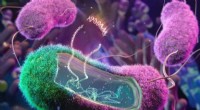
* Examples: Bacteria and single-celled organisms readily absorb small molecules like sugars and amino acids directly from their surroundings.
Larger Molecules:
* Difficult Absorption: Larger molecules have a lower surface area to volume ratio, making it harder for them to pass through cell membranes.
* Digestive Processes: Organisms need to break down large molecules into smaller subunits before they can be absorbed. This involves complex digestive processes:
* Extracellular Digestion: Animals with digestive systems break down large molecules outside of their cells using enzymes.
* Intracellular Digestion: Some organisms (like amoebas) engulf food particles and break them down within specialized compartments within their cells.
* Active Transport: Often, organisms need to use energy to transport larger molecules across their cell membranes (active transport).
* Examples: Humans rely on digestive enzymes to break down proteins, carbohydrates, and fats into smaller components that can be absorbed.
Size-Dependent Nutrient Acquisition:
* Plants: Plants can absorb small molecules (water, dissolved minerals) directly from the soil. They also absorb larger molecules like sugars through specialized transport systems.
* Animals: Animals obtain nutrients from food sources. They have evolved complex digestive systems to break down large food molecules.
* Microorganisms: Microorganisms can utilize a wide range of nutrient sources, from small molecules dissolved in the environment to larger molecules in their surroundings. Some bacteria even possess specialized mechanisms to break down complex organic materials like wood or plastic.
Key Considerations:
* Surface area to volume ratio: Smaller molecules have a larger surface area relative to their volume, facilitating interactions with cell membranes.
* Membrane permeability: Cell membranes are selectively permeable, allowing some molecules to pass through easily while others require specific transport mechanisms.
* Metabolic pathways: Organisms have evolved specific metabolic pathways to break down and utilize different types of molecules.
In summary: The size of a molecule plays a crucial role in how an organism obtains nutrients. Smaller molecules are readily absorbed, while larger molecules require specialized mechanisms like digestion or active transport.