Here's why:
* Trophic levels describe the feeding relationships within an ecosystem.
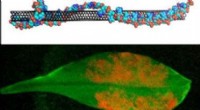
* Producers are the base of the food chain, meaning they make their own food through photosynthesis. They use sunlight, water, and carbon dioxide to create energy-rich molecules (like sugars).
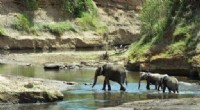
* Consumers rely on other organisms for their food. This includes herbivores (primary consumers), carnivores (secondary and tertiary consumers), and omnivores.
Examples of primary producers include:
* Plants: Trees, grasses, flowers, algae
* Phytoplankton: Microscopic algae in aquatic ecosystems
* Some bacteria: Certain types can produce food through chemosynthesis using chemicals instead of sunlight.
Let me know if you'd like to know more about specific examples or the flow of energy through trophic levels!