Here's the breakdown:
* Protists: Protists are a diverse group of eukaryotic organisms. They don't have a single basic unit of structure. Some protists are single-celled (like amoeba), while others are multicellular (like seaweed).
* For single-celled protists: The cell itself is the basic unit of structure.
* For multicellular protists: The basic unit of structure is the cell, just like in animals and plants. However, they often have more complex organization and may form tissues or even organs.
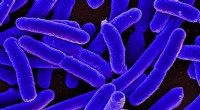
* Prokaryotes (formerly Monerans): Prokaryotes are single-celled organisms without a nucleus or other membrane-bound organelles. Their basic unit of structure is also the cell. However, prokaryotic cells are simpler than eukaryotic cells and lack complex internal compartments.
In summary: The basic unit of structure in both protists and prokaryotes is the cell. However, the complexity and organization of these cells vary significantly.