Adaptation refers to any trait or characteristic that allows an organism to survive and reproduce better in its specific environment. This can include physical features, behaviors, or even internal processes.
Here are some examples of how adaptation helps living things:
* Physical adaptations: A polar bear's thick fur helps it survive in cold Arctic environments. A chameleon's ability to change color allows it to camouflage and avoid predators.
* Behavioral adaptations: Birds migrating to warmer climates during winter helps them find food and avoid harsh conditions. A squirrel burying nuts helps it survive through the winter months when food is scarce.
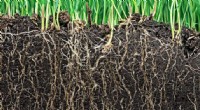
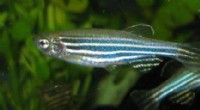
* Physiological adaptations: A cactus's deep roots help it access water in dry deserts. A fish's gills allow it to breathe underwater.
By adapting to their environment, organisms can:
* Find food more easily: Specialized beaks in birds allow them to eat specific types of food.
* Avoid predators: Camouflage, speed, and defense mechanisms help organisms evade danger.
* Reproduce successfully: Bright colors and elaborate courtship rituals attract mates.
The process of natural selection drives adaptation. Individuals with traits that make them better suited to their environment are more likely to survive, reproduce, and pass on those traits to their offspring. Over time, this leads to populations becoming better adapted to their specific environments.
So, adaptation is a crucial characteristic that allows living things to thrive, reproduce, and pass on their genes to future generations.