* Sexual Reproduction: In organisms that reproduce sexually, each parent contributes half of their DNA to their offspring. This means the offspring inherits a mix of genetic material from both parents.
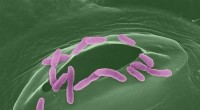
* Asexual Reproduction: In organisms that reproduce asexually (like bacteria), the offspring is a genetic copy of the single parent. The offspring receives all of its DNA from that parent.
Here's a simple breakdown:
* Humans: We inherit 23 chromosomes from our mother and 23 chromosomes from our father, combining to form our unique set of 46 chromosomes.
* Bacteria: A bacterium replicates its DNA and then divides, creating two identical daughter cells.
Important Note: While organisms inherit their DNA from their parents, mutations (changes in the DNA sequence) can occur during replication. These mutations can lead to variations in traits and are a key driver of evolution.