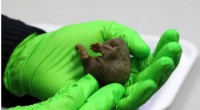
1. Animalia: This kingdom includes all animals, which are multicellular, heterotrophic organisms that obtain their food by consuming other organisms. They are characterized by their ability to move, and they typically have specialized tissues and organs.
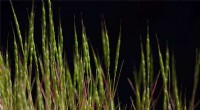
2. Plantae: This kingdom includes all plants, which are multicellular, photosynthetic organisms that produce their own food through photosynthesis. They are characterized by their cell walls made of cellulose, and they typically have roots, stems, and leaves.
3. Fungi: This kingdom includes all fungi, which are heterotrophic organisms that obtain their food by absorbing nutrients from their surroundings. They are characterized by their cell walls made of chitin, and they typically grow in filamentous structures called hyphae.
While these three kingdoms are the most well-known, it is important to note that there is ongoing debate about the classification of eukaryotic organisms. Some scientists argue that there should be additional kingdoms, such as Protista, which includes a diverse range of single-celled and multicellular organisms that don't fit neatly into the other three kingdoms.