1. Descriptive Research:
* Goal: Observe and describe a phenomenon without manipulating variables.
* Methods: Observation, surveys, interviews, case studies.
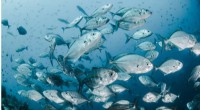
* Example: A biologist observing the behavior of a bird species in its natural habitat.
2. Correlational Research:
* Goal: Examine the relationship between two or more variables.
* Methods: Statistical analysis to identify patterns and relationships.
* Example: A study investigating the relationship between screen time and sleep quality in teenagers.
3. Experimental Research:
* Goal: Test a hypothesis by manipulating an independent variable and observing its effect on a dependent variable.
* Methods: Controlled experiments with random assignment of participants to groups.
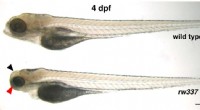
* Example: A clinical trial testing the effectiveness of a new drug compared to a placebo.
4. Quasi-Experimental Research:
* Goal: Similar to experimental research, but without random assignment of participants.
* Methods: Controlled experiments with pre-existing groups (e.g., age, gender, diagnosis).
* Example: A study examining the effectiveness of a new teaching method in two different classrooms.
5. Mixed Methods Research:
* Goal: Combine qualitative and quantitative data to provide a more comprehensive understanding.
* Methods: Surveys, interviews, observations, and statistical analysis.
* Example: A study exploring student satisfaction with a new curriculum using both surveys and focus groups.
6. Action Research:
* Goal: Solve practical problems in a specific context.
* Methods: Collaborative research involving stakeholders to identify solutions.
* Example: A teacher working with colleagues to improve student engagement in a particular subject.
7. Case Study Research:
* Goal: In-depth analysis of a single case or a small group of cases.
* Methods: Interviews, observations, and document analysis.
* Example: A study examining the impact of a traumatic event on a single individual.
Beyond these core processes, scientists also employ various techniques:
* Modeling: Creating simplified representations of complex phenomena to test hypotheses and explore possibilities.
* Simulation: Using computer programs to mimic real-world situations and predict outcomes.
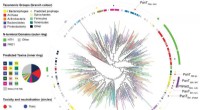
* Data mining: Analyzing large datasets to identify patterns and relationships.
The specific process used will depend on the research question being asked and the resources available. It's important to note that the scientific method is iterative, and findings from one study may lead to new questions and further investigation.