Both chemical and biological pest control aim to reduce pest populations and protect crops or other valuable resources. However, they operate using vastly different mechanisms and have significant differences in their effects on the environment and human health.
Chemical Control:
Pros:
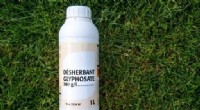
* Fast acting: Chemical pesticides quickly kill pests, providing immediate control.
* Effective: Can effectively control large populations of pests.
* Widely available: Chemical pesticides are readily accessible and affordable.
* Easy to apply: Usually simple to apply, often in the form of sprays or dusts.
Cons:
* Non-specific: Can kill beneficial insects and other organisms, disrupting ecosystems.
* Environmental pollution: Can contaminate water sources, soil, and air.
* Pesticide resistance: Pests can develop resistance to specific chemicals, requiring ever-increasing doses.
* Health risks: Can be harmful to human health through direct exposure or residue in food.
* Biodiversity loss: Can lead to a decline in insect populations, affecting pollination and natural pest control.
Biological Control:
Pros:
* Environmentally friendly: Uses natural predators, parasites, or pathogens, minimizing harm to the ecosystem.
* Specific: Targets specific pests without affecting beneficial insects or other organisms.
* Sustainable: Creates a long-term solution by balancing natural pest control mechanisms.
* No pesticide residues: Minimizes the risk of pesticide contamination in food and water.
* Increased biodiversity: Can help to restore and maintain a healthy ecosystem.
Cons:
* Slower acting: Takes time for biological control agents to establish and effectively control pests.
* Less predictable: Success can be affected by environmental factors and the introduction of new pest species.
* May require specialized knowledge: Understanding the complexities of biological control is crucial for successful implementation.
* Limited availability: Developing and deploying biological control agents can be more challenging than using chemical pesticides.
* Costly: Initial investment in research and development can be high.
In summary:
* Chemical control is a quick and effective option for immediate pest control but comes with significant environmental and health risks.
* Biological control is a more sustainable and environmentally friendly approach, but requires careful planning and may not be suitable for all situations.
Choosing the right approach:
The choice between chemical and biological pest control depends on the specific situation, including the type of pest, the environment, and the desired level of control. Integrated Pest Management (IPM) is a holistic approach that combines various methods, including biological control, chemical control, and other strategies, to minimize pest damage while protecting the environment.