Key Characteristics:
* Manipulated: The experimenter directly controls the independent variable.
* Cause: It's the factor that is believed to influence or affect the dependent variable.
* Variable: It can take on different values or levels.
Examples:
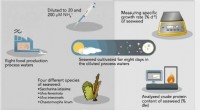
* Experiment: Testing the effect of different amounts of fertilizer on plant growth.
* Independent Variable: The amount of fertilizer used (e.g., 0 grams, 1 gram, 2 grams).
* Dependent Variable: The height of the plants.
* Experiment: Studying the impact of music on mood.
* Independent Variable: The type of music played (e.g., classical, rock, pop).
* Dependent Variable: Participants' reported mood levels.
Understanding the Relationship:
The key point is that the independent variable is what you change to see how it affects the dependent variable. You are looking for a cause-and-effect relationship.
Important Note: There can be more than one independent variable in an experiment, depending on the complexity of the study.