Here's why:
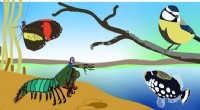
* Sensory receptors: The PNS contains sensory receptors that detect stimuli from the external world, such as light, sound, touch, temperature, and pain.
* Afferent neurons: These neurons carry sensory information from the receptors to the central nervous system (CNS), which includes the brain and spinal cord.
* Efferent neurons: The CNS processes the sensory information and sends signals through efferent neurons to muscles and glands, causing a response to the external environment.
Examples:
* Seeing a red light: Light receptors in your eyes send signals to the CNS through afferent neurons. The CNS processes this information and sends signals to your muscles through efferent neurons, causing you to brake.
* Feeling a hot stove: Touch receptors in your skin send signals to the CNS through afferent neurons. The CNS processes this information and sends signals to your muscles through efferent neurons, causing you to withdraw your hand.
In summary:
The PNS acts as a bridge between the external environment and the CNS, enabling us to perceive and respond to changes in our surroundings.