Here's why the analogy is used:
* The nucleus contains the cell's genetic information: Just like a library stores books, the nucleus stores DNA, which contains the blueprints for building and maintaining the cell.
* DNA is organized into chromosomes: Similar to how books are organized on shelves, DNA is packaged into chromosomes within the nucleus.
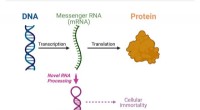
* DNA provides instructions: The information encoded in DNA provides instructions for building proteins and carrying out all the functions of a cell.
While the library analogy helps us understand the nucleus' role, it's important to remember that:
* The nucleus is a real, physical structure: It's not a metaphorical library.
* The nucleus performs many functions besides storing DNA: It also controls the cell's activities, including growth and division.
So, while the analogy is helpful, it's not the actual name. The nucleus is simply the control center of the cell, containing the instructions for its operation.