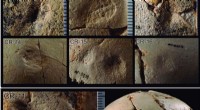
* Bones: These are made of durable minerals that can withstand the pressures of burial and decomposition.
* Teeth: Similar to bones, teeth are also mineralized and resistant to decay.
* Shells: The hard outer coverings of many invertebrates, like clams and snails, are made of calcium carbonate, a durable material.
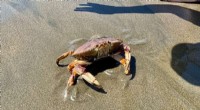
* Exoskeletons: The tough outer coverings of insects, crustaceans, and some other animals are also made of chitin, a substance that can fossilize.
Soft tissues, such as muscles, organs, and skin, are far less likely to fossilize because they decompose quickly.
Here's why hard parts are more likely to become fossils:
* Durability: Hard parts are less susceptible to decay and breakdown by bacteria and other decomposers.
* Mineralization: Many hard parts are made of minerals, which are resistant to erosion and chemical weathering.
* Rapid Burial: If hard parts are buried quickly after the animal dies, they have a better chance of avoiding decomposition and being preserved.
While soft tissues can occasionally fossilize under exceptional circumstances, hard parts are far more common in the fossil record.