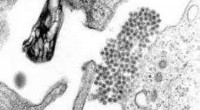
Here's a breakdown of what they are and their significance:
What they are:
* Parenchyma cells: These are the "general purpose" cells of the plant, found throughout the plant body.
* Xylem: The plant tissue responsible for transporting water and nutrients throughout the plant. Xylem consists of vessels (long, hollow tubes) and tracheids (smaller, elongated cells).
* Tyloses: Outgrowths of the parenchyma cells that push into the vessels or tracheids.
How they form:
* Tyloses form when parenchyma cells adjacent to the xylem vessels swell up and push their contents through the pits (small openings) in the cell wall.
* This process is often triggered by injury or stress, such as drought, fungal infection, or aging.
Why they form:
* Blockage of xylem: Tyloses effectively block the flow of water and nutrients through the xylem, preventing the spread of disease or the entry of air bubbles.
* Defense mechanism: They can help protect the plant from pathogens and pests by preventing their movement through the xylem.
* Wound sealing: In cases of injury, tyloses help seal off the damaged xylem and prevent water loss.
Significance:
* Plant defense: Tyloses are a key part of the plant's defense system against pathogens and pests.
* Wood preservation: In hardwoods, tyloses contribute to the durability and longevity of the wood by preventing decay.
* Timber industry: Tyloses are responsible for the beautiful patterns seen in some types of wood, such as oak.
In summary: Tyloses are important structures in plants that play a crucial role in defense, wound sealing, and the regulation of water and nutrient transport.