Gene:
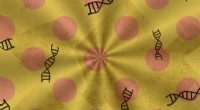
* A gene is a segment of DNA that contains the code for a specific protein (or sometimes, an RNA molecule).
* It acts as a blueprint, carrying the instructions for building a polypeptide chain.
Polypeptide:
* A polypeptide is a chain of amino acids linked together by peptide bonds.
* It's the primary building block of proteins.
Relationship:
1. Transcription: The DNA sequence of a gene is transcribed into a messenger RNA (mRNA) molecule. This mRNA molecule carries the genetic code from the gene to the ribosomes, where protein synthesis takes place.
2. Translation: The mRNA is translated into a chain of amino acids, forming a polypeptide. This process follows the genetic code: each three-base codon in the mRNA corresponds to a specific amino acid.
3. Protein Folding: The polypeptide chain then folds into a specific three-dimensional structure, forming a functional protein.
Key Points:
* One gene, one polypeptide (not always): While the classic idea was that one gene codes for one polypeptide, this isn't always true. Genes can be spliced in different ways to produce multiple polypeptides from a single gene. Also, some genes code for non-coding RNAs, which don't translate into proteins.
* Mutations: Changes in the DNA sequence of a gene can lead to changes in the amino acid sequence of the polypeptide. These changes can affect the protein's structure and function, potentially causing disease.
* Gene regulation: The expression of genes (and thus the production of polypeptides) is tightly controlled within a cell. This regulation ensures that the right proteins are made at the right time and in the right amounts.
In essence, the gene provides the instructions for building a polypeptide chain, which then folds into a functional protein. This relationship is crucial for all life processes, from cellular function to organismal development.