Biology:
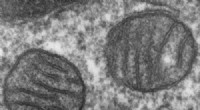
* The fundamental unit of life: This is the most common definition. A cell is the smallest unit of an organism that can carry out all the processes of life. It is enclosed by a membrane and contains genetic material (DNA), cytoplasm, and various other organelles.
* A compartment within a multicellular organism: Some cells in multicellular organisms have specialized functions and are grouped together to form tissues and organs.
Other:
* A small room in a prison: This is a more common usage in everyday language.
* A small, enclosed space: This could refer to a small room in a building, a compartment in a machine, or even a space in a grid.
Example:
* "Scientists are studying the effects of radiation on human cells." (This refers to biological cells.)
* "The prisoner was locked in a solitary cell." (This refers to a prison cell.)
To understand the meaning of "cell" in a specific context, you need to consider the surrounding information.