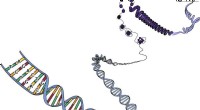
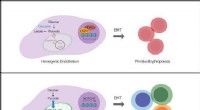
* Germ cell mutations are passed on to offspring. When a germ cell with a mutation is involved in fertilization, the mutation is incorporated into the offspring's genetic makeup. This means every cell in the offspring's body will carry the mutation, potentially leading to inherited diseases or disorders.
* Somatic cell mutations only affect the individual. Mutations in body cells only affect the specific cell and its descendants within that individual. They are not passed on to the next generation.
Here's a simple analogy:
* Imagine a recipe for a cake. A mutation in a body cell is like changing an ingredient in the recipe you're using to bake a cake *right now*. The cake might be a bit different, but it won't affect future cakes you bake.
* A mutation in a reproductive cell is like changing the recipe book itself. The change will affect every cake you bake from that point on, as well as any cakes your children and grandchildren bake.
Therefore, mutations in germ cells have a much broader impact, potentially affecting the health of future generations, making them significantly more harmful than mutations in body cells.