* No Central Database: There's no global organization that tracks the deaths of marine biologists specifically.
* Diverse Fields: Marine biology is a broad field with many sub-disciplines. Some work in labs, others in the field. Risk levels vary significantly.
* Data Privacy: Even if such a database existed, it would be highly unlikely to be publicly available due to privacy concerns.
However, we can talk about the potential risks:
* Field Research: Marine biologists who study marine life in the wild face risks from:
* Ocean Conditions: Rough seas, storms, and unpredictable currents.
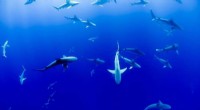
* Wildlife Encounters: Interactions with sharks, jellyfish, or other potentially dangerous marine animals.
* Equipment Failure: Malfunctioning boats, diving gear, or research equipment.
* Laboratory Work: Lab-based marine biologists have fewer physical risks but might be exposed to chemicals or pathogens.
* Travel: Many marine biologists travel to remote locations for research, which increases the risk of accidents or illnesses.
Important Note: It's crucial to remember that the risks associated with marine biology are not unique to this profession. Many other jobs involve similar hazards. Marine biology, however, requires a deep respect for the ocean and its inhabitants, and a commitment to safety practices.