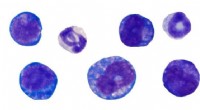
* Function: Hepatocytes perform a wide array of metabolic functions, including detoxification, protein synthesis, and bile production. Their irregular shape allows for a high surface area to volume ratio, maximizing their efficiency in these processes.
* Packing: Liver cells are tightly packed together, leaving minimal space between them. This arrangement is crucial for efficient exchange of substances and coordinated function.
* Cell junctions: Hepatocytes are connected by specialized junctions like desmosomes and gap junctions. These junctions help maintain the structure of the liver tissue and facilitate communication between cells.
* Blood supply: The liver receives a rich blood supply from the hepatic artery and portal vein. The intricate network of blood vessels within the liver also contributes to the irregular shape of the hepatocytes.
So, the irregular, polygonal shape of liver cells is a result of their complex functions, tight packing, intercellular junctions, and the unique vascular structure of the liver.