Evolutionary History:
* Ancestral Relationships: By comparing fossils from different time periods, scientists can trace the lineage of a species, identifying its ancestors and how it evolved. This helps understand the evolutionary relationships between different organisms.
* Adaptations and Diversification: Fossil changes can show how a species adapted to changing environments over time. This includes modifications in body size, shape, features, and behaviors. The fossil record can also reveal how a species diversified into new forms.
* Extinction Events: Fossils can reveal the timing and causes of extinction events. The absence of certain fossils in later layers indicates that these species disappeared, while the presence of new fossils might point to new species that evolved after an extinction event.
Geological and Environmental Information:
* Climate Change: Fossils of organisms that are sensitive to climate, such as coral reefs or trees, can indicate past changes in temperature, precipitation, and sea levels.
* Continental Drift: Fossil distribution across continents can support the theory of continental drift, showing how landmasses have moved over time.
* Past Ecosystems: By analyzing the types of fossils found together, paleontologists can reconstruct the ecosystems that existed in the past, including their flora and fauna.
Other Insights:
* Rate of Evolution: Fossil records can provide insights into the rate of evolutionary change, whether it occurred gradually or in bursts.
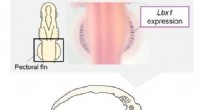
* Developmental Biology: Fossils can sometimes reveal information about the developmental stages of organisms, shedding light on how organisms developed over time.
Important Note:
The fossil record is not complete, and there are gaps in our knowledge. However, the information we can glean from the existing fossils provides valuable insights into the history of life on Earth and how organisms have evolved and interacted with their environment.