1. Genes and Chromosomes:
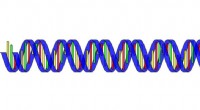
* Genes: Units of heredity that carry specific traits. They are made up of DNA (deoxyribonucleic acid) and reside on chromosomes.
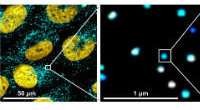
* Chromosomes: Structures found within the nucleus of cells that contain the genetic material (DNA). Humans have 23 pairs of chromosomes, with one chromosome from each pair inherited from the mother and one from the father.
2. Gametes and Fertilization:
* Gametes: Specialized reproductive cells (sperm in males, eggs in females) that contain half the number of chromosomes found in other cells.
* Fertilization: The process where a sperm cell fertilizes an egg cell, combining their genetic material to form a zygote. The zygote has a full set of 23 pairs of chromosomes, half from each parent.
3. DNA Replication and Cell Division:
* DNA Replication: Before cell division, the DNA in chromosomes is duplicated, ensuring each new cell receives a complete copy of the genetic information.
* Mitosis: The process of cell division that produces two identical daughter cells from a single parent cell. This process allows for growth and development of the organism.
* Meiosis: The process of cell division that produces gametes (sperm and egg cells). This process reduces the number of chromosomes by half, ensuring that the offspring inherits only one set of chromosomes from each parent.
4. Expression of Genes:
* Genes carry instructions for building proteins: These proteins determine various traits, like eye color, height, and susceptibility to certain diseases.
* Environmental factors can also influence trait expression: For example, nutrition and lifestyle can impact height and health outcomes.
In summary:
Parents contribute their genetic information to their offspring through the combination of their gametes during fertilization. The genes on these chromosomes carry instructions for traits, which are then expressed during development. This process of heredity ensures the transmission of genetic information from one generation to the next.