* Bacteria: Single-celled organisms that can cause a wide range of infections, from pneumonia to food poisoning.
* Viruses: Tiny particles that need to invade living cells to reproduce, causing diseases like the flu and COVID-19.
* Fungi: Multicellular organisms that can cause infections like athlete's foot and yeast infections.
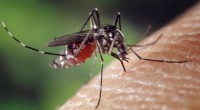
* Parasites: Organisms that live on or inside another organism and benefit at the host's expense, such as malaria and tapeworms.
* Prions: Misfolded proteins that can cause fatal brain diseases like Creutzfeldt-Jakob disease.
Infectious diseases can spread from person to person, from animals to people, or through contaminated food or water. They can be prevented through vaccination, good hygiene practices, and other public health measures.