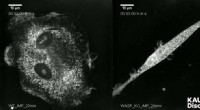
* Cell wall: A rigid outer layer made of cellulose that provides structural support and protection. Animals do not have cell walls.
* Chloroplasts: Organelles that contain chlorophyll, the green pigment that captures light energy for photosynthesis. Animals do not have chloroplasts.
* Large central vacuole: A large, fluid-filled sac that stores water, nutrients, and waste products. Animal cells have smaller vacuoles, if any.
* Plasmodesmata: Small channels that connect the cytoplasm of adjacent plant cells, allowing for communication and transport of substances. Animals do not have plasmodesmata.
In addition to these primary differences, there are other structural features that are more common in plant cells than animal cells, such as:
* Amyloplasts: Organelles that store starch. While animals can store glycogen, they do not have amyloplasts.
* Glyoxysomes: Organelles involved in the conversion of fats to sugars. Animals do not have glyoxysomes.
These structural differences reflect the distinct functions of plants and animals. Plants are autotrophs, meaning they can produce their own food through photosynthesis, while animals are heterotrophs, meaning they must consume other organisms for food. These differences in their metabolic needs and lifestyles are reflected in the specialized structures of their cells.