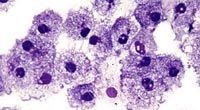
Collar cells are specialized cells found in sponges (phylum Porifera). They are characterized by a collar-like structure surrounding a flagellum. The flagella beat and create water currents, drawing food particles into the collar.
Fungi are a kingdom of eukaryotic organisms that are heterotrophic, meaning they obtain nutrients by absorbing organic matter. They have a unique cell structure with chitin in their cell walls and reproduce using spores. They are crucial decomposers in ecosystems and play a role in various processes like food production and medicine.
Here is a table highlighting the key differences:
| Feature | Collar Cells | Fungi |
|---|---|---|
| Kingdom | Animalia | Fungi |
| Cell Structure | Have a collar and flagellum | Have cell walls with chitin |
| Nutrition | Filter feeders | Heterotrophic (absorb nutrients) |
| Habitat | Aquatic (mostly marine) | Diverse habitats (soil, water, air) |
| Reproduction | Asexual (budding) and sexual | Sexual and asexual (spores) |
In conclusion, collar cells and fungi are distinct organisms with different characteristics, roles, and even belong to different kingdoms.