Here's a simple way to remember it:
* Mutualism: "Mutual" means "shared," and in this case, both organisms share the benefit.
For example:
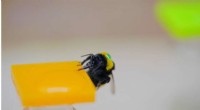
* Bees and flowers: Bees get nectar from the flowers, which they use for food. In turn, the bees pollinate the flowers, helping them reproduce.
* Cleaner fish and larger fish: Cleaner fish eat parasites off larger fish, providing a cleaning service. In return, the cleaner fish get a meal and the larger fish are healthier.
It's important to note that the benefits don't have to be equal. One organism might receive a larger benefit than the other. The key is that both organisms gain something positive from the relationship.