Here's a breakdown of their roles:
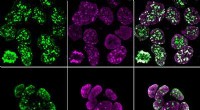
* Peroxisomes:
* Beta-oxidation: Peroxisomes are responsible for the initial steps of fatty acid breakdown, particularly for very long-chain fatty acids. They contain enzymes like acyl-CoA oxidase, which catalyzes the first step in beta-oxidation.
* Lipid biosynthesis: Peroxisomes also contribute to the synthesis of certain lipids, like plasmalogens and ether phospholipids.
* Lipid droplets:
* Fatty acid storage: Lipid droplets are the primary storage sites for fatty acids. They are essentially reservoirs of triglycerides that can be mobilized when energy demands increase.
* Fatty acid mobilization: When needed, lipases within the cell break down triglycerides in the lipid droplet, releasing fatty acids for use in energy production.
* Lipid synthesis: Lipid droplets are also involved in the synthesis of new triglycerides.
Other vesicles that indirectly contribute to fatty acid metabolism include:
* Endoplasmic reticulum (ER): The ER is involved in the synthesis of fatty acids, phospholipids, and other lipid components.
* Golgi apparatus: The Golgi apparatus modifies and packages lipids for transport to other organelles or secretion from the cell.
It's important to note that while peroxisomes and lipid droplets are directly involved in fatty acid metabolism, other organelles and processes within the cell contribute to the overall regulation and utilization of fatty acids.