1. Increased Surface Area:
* The cristae are folded inwards, significantly increasing the surface area of the inner mitochondrial membrane. This is crucial because the ETC proteins are embedded within this membrane.
* A larger surface area allows for more ETC complexes to be present, facilitating faster and more efficient electron transport.
2. Proximity of Complexes:
* The folded structure of the cristae brings the ETC complexes closer together. This proximity facilitates the efficient transfer of electrons from one complex to the next, maximizing the energy yield.
* It also helps maintain the proton gradient necessary for ATP synthesis.
3. Concentration of ATP Synthase:
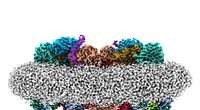
* The cristae provide a large surface area for the attachment of ATP synthase, the enzyme responsible for generating ATP. This allows for a higher concentration of ATP synthase, enabling faster and more efficient ATP production.
4. Increased Efficiency of Proton Gradient:
* The cristae create a smaller compartment within the mitochondria, which helps maintain a steeper proton gradient across the inner membrane. This steeper gradient provides a greater driving force for ATP synthesis.
In summary:
The numerous cristae in mitochondria are essential for optimizing the efficiency of the ETC and ATP production. They provide a larger surface area, facilitate efficient electron transport, increase the concentration of ATP synthase, and enhance the proton gradient, all contributing to the energy needs of the cell.